There is no single route to becoming an artist
People sometimes ask me how they should go about becoming an artist.
I don't think making art needs to be your job to be meaningful. Creativity can enrich a life whether it earns you a penny or not. Art can be a hobby, a passion, a refuge, a lifelong companion or a career. Make art and you’re an artist.
This is the story of how art grew from a hobby into a career for me, and some of the things I've learned along the way. I wouldn't presume to offer career advice to anyone. This is just my experience, and one version of what a creative life can look like.
Not a straight line
I found my way back to art a little later in life.
Although I'd always loved drawing and making things, I only decided to attempt to make art my career when I was in my late thirties. I hadn't gone to art college and stopped studying art at seventeen.
My path to becoming a full-time artist has not been a straight line. My twenties were fairly art-free, while my thirties saw a resurgence of creative energy, although my art remained a hobby. The move from passion to profession, only really began in my forties. I am 51 now and have been trying to make art my livelihood since 2013.
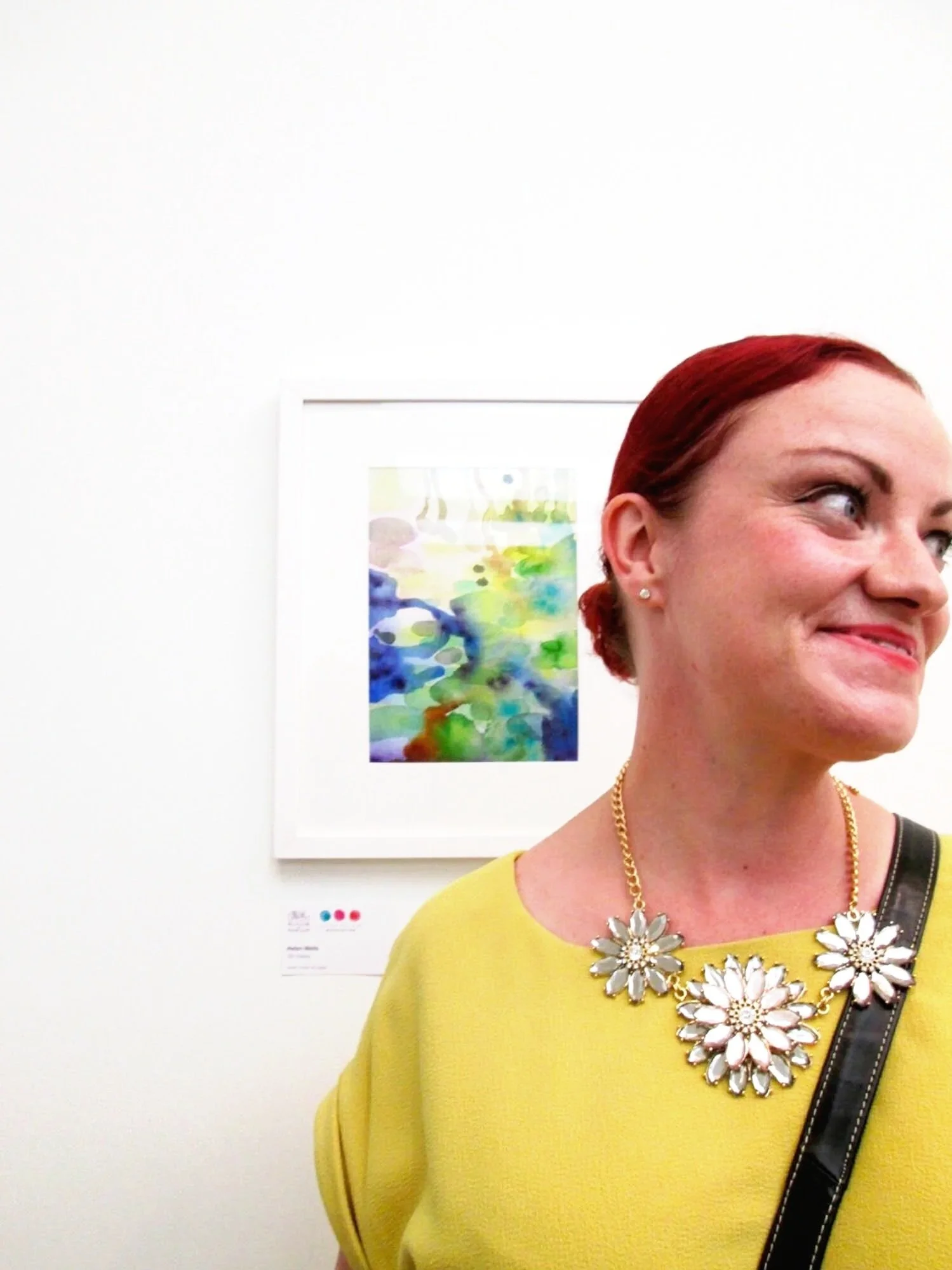
The Saatchi Gallery, London 2014
A creative childhood
As a child, I was always drawing. I dreamed of designing fabric. I loved spending hours creating elaborate and intricate patterns from my imagination. I got through so much paper that my father started buying me large rolls of wallpaper lining paper just to keep up with my demand for something to draw on.
My mum was studying contemporary embroidery when I was little, so she was always sewing or taking me to the haberdashery. Thread, fabric, colour and pattern formed the backdrop to my childhood. I've always been fascinated by colour, pattern and decorative detail.
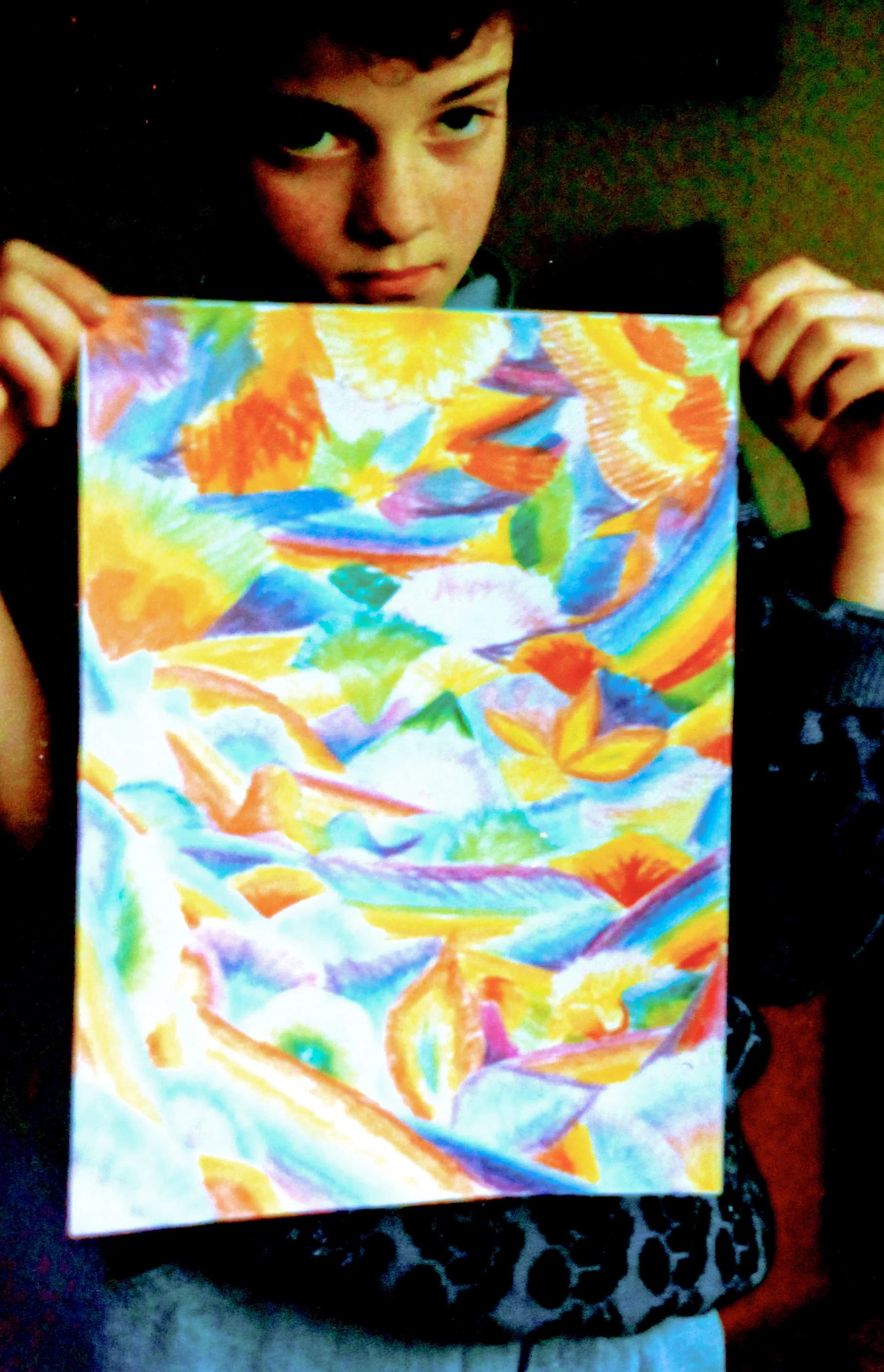
One of my childhood drawings
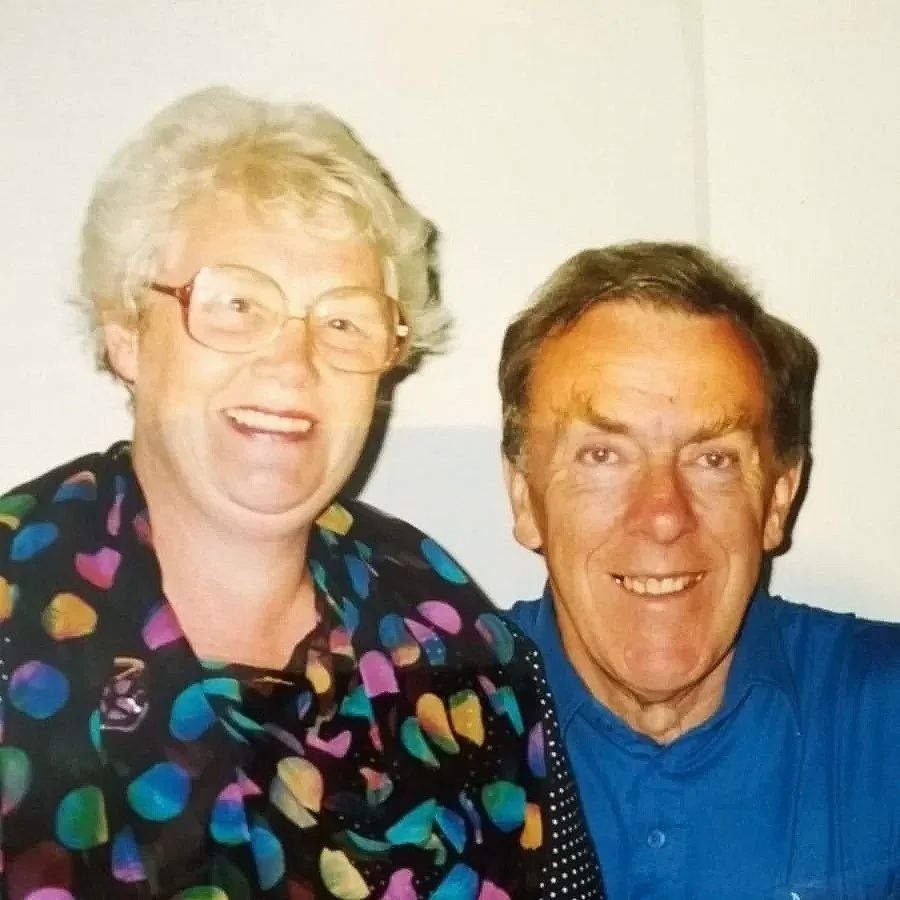
My late parents
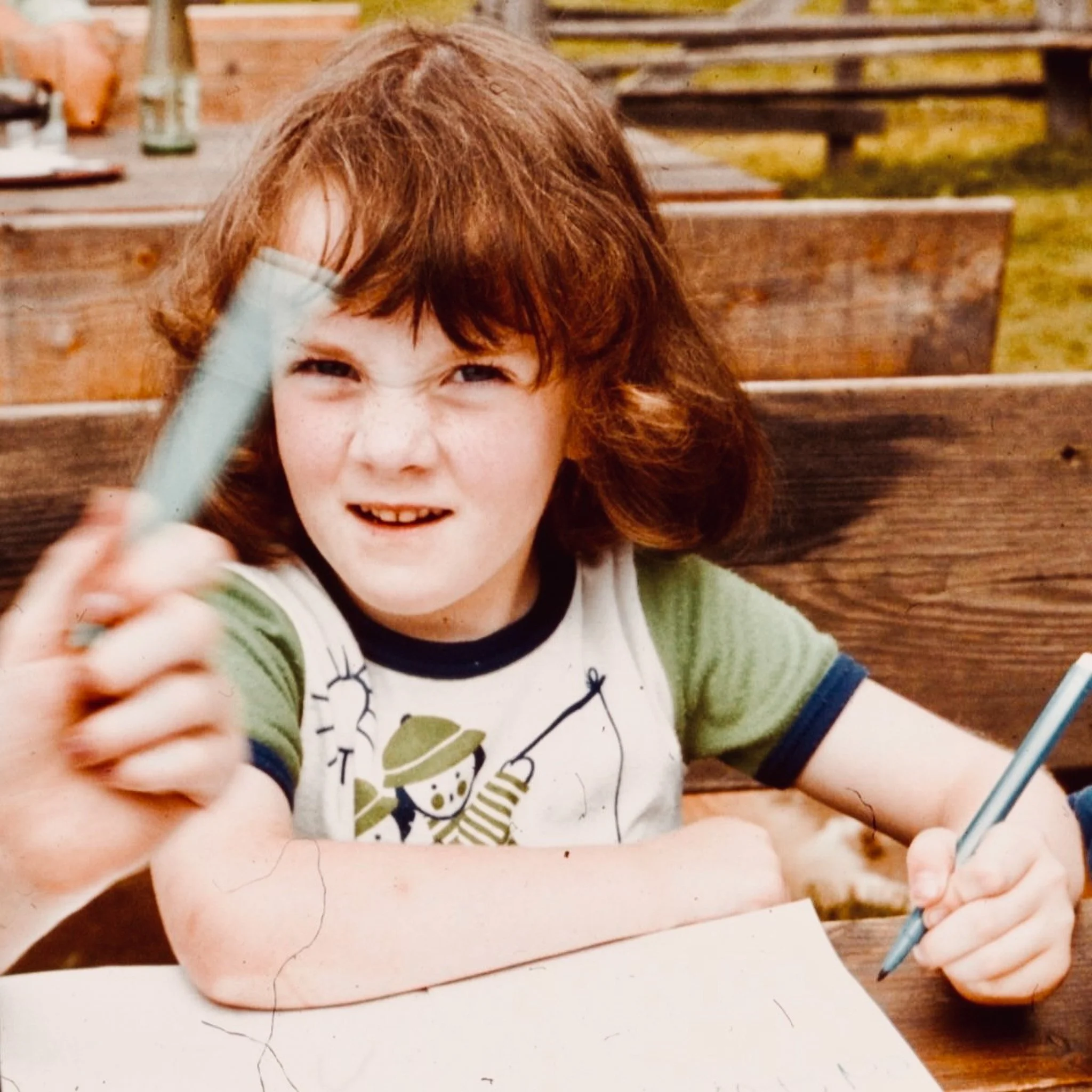
Drawing in a sketchbook when I was little
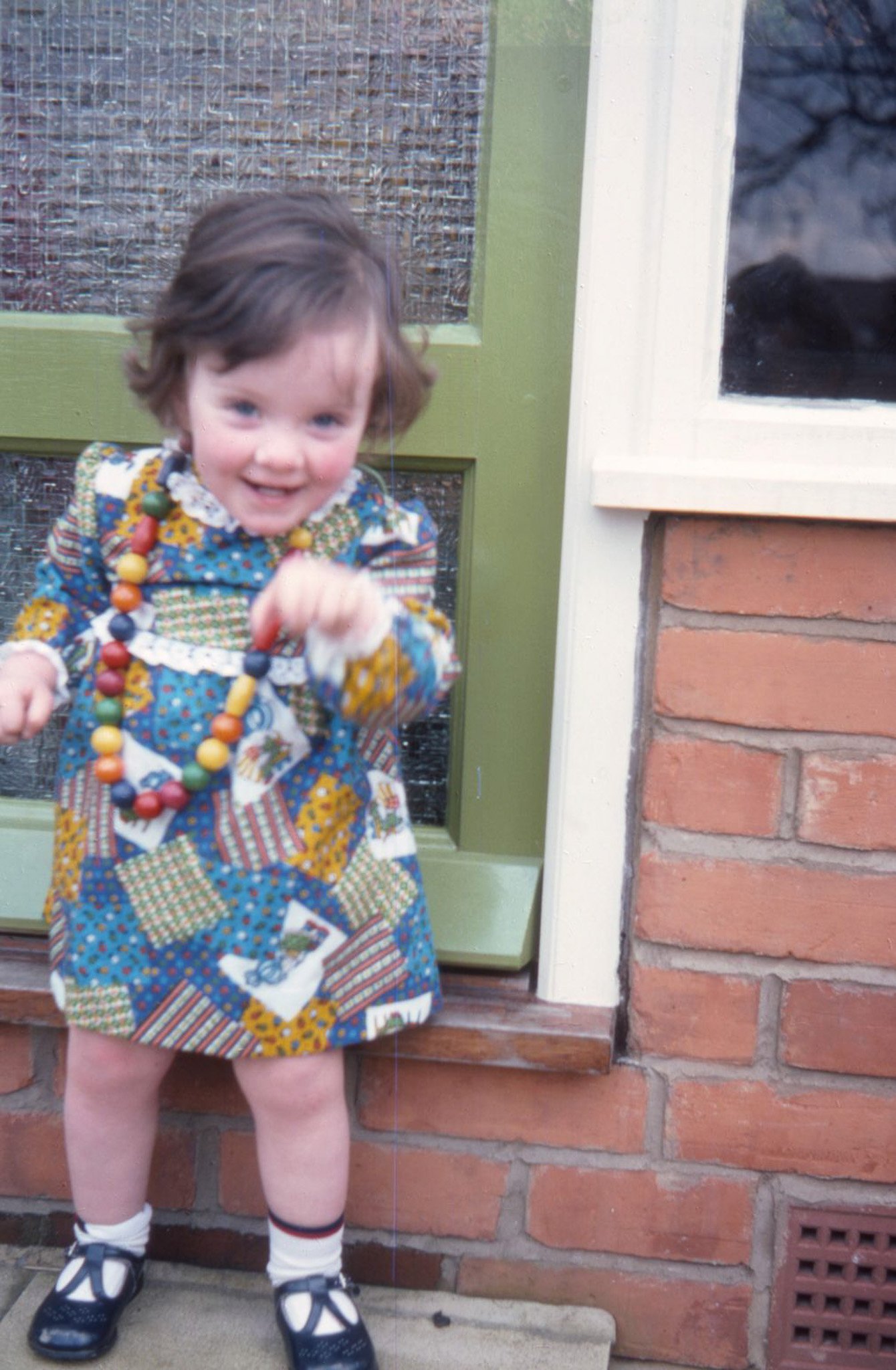
My love of colour and pattern started early
A different direction
At seventeen, a school timetabling clash forced me to stop studying art. My parents were creative people, but rather conservative and cautious when it came to career advice, they emphasised the importance of a stable career, more academic subjects, art was something you did for fun, it was not a job.
As I headed into my twenties, art faded from my daily life, leaving a gap I wouldn't fill for years. I went off to university and studied journalism at Cardiff University and then I did a postgraduate degree at the journalism school there. And I started to build a career in a direction which pulled me further away from art. Looking back I can see I packed away my pencil case and strived to be a sensible adult.
A rekindled love
It was an issue in my love life that brought me back to art making. I think personal calamity can often cause us to seek out or reconnect with creativity. A hurtful relationship breakup when I was 28 or 29 left me heartbroken and lost.
I decided to book myself onto a two-week painting summer school at the Slade School of Fine Art in London. I wanted a distraction, a diversion and something I could do for myself and by myself. And it was there that I fell completely and utterly back in love with drawing and painting. An enduring love, rekindled. The pencil case was out and not going back in the drawer.
Throughout my thirties, art remained a beautiful and all consuming hobby. I undertook a three year part-time fine art course alongside my full time job. Then I had disastrous art-college interview in my early 30’s, which made me think art could only ever be a personal joy, not a career. And that felt fine, until it didn’t.
A decision to try
In my late thirties, I had climbed the career ladder at my charity job, but I began to wonder if perhaps I had laid my ladder against the wrong wall. One day I had a sudden and extremely clear realisation that I wanted art to be my career, it felt like a visceral and odd out-of-body experience, something that I struggle to put words to, perhaps a deep knowing made manifest. A wish I had ignored for my whole working life made evident.
I had no idea how to go about making art my career or if this was possible for me.
But I did decide to atleast try to make art my work.
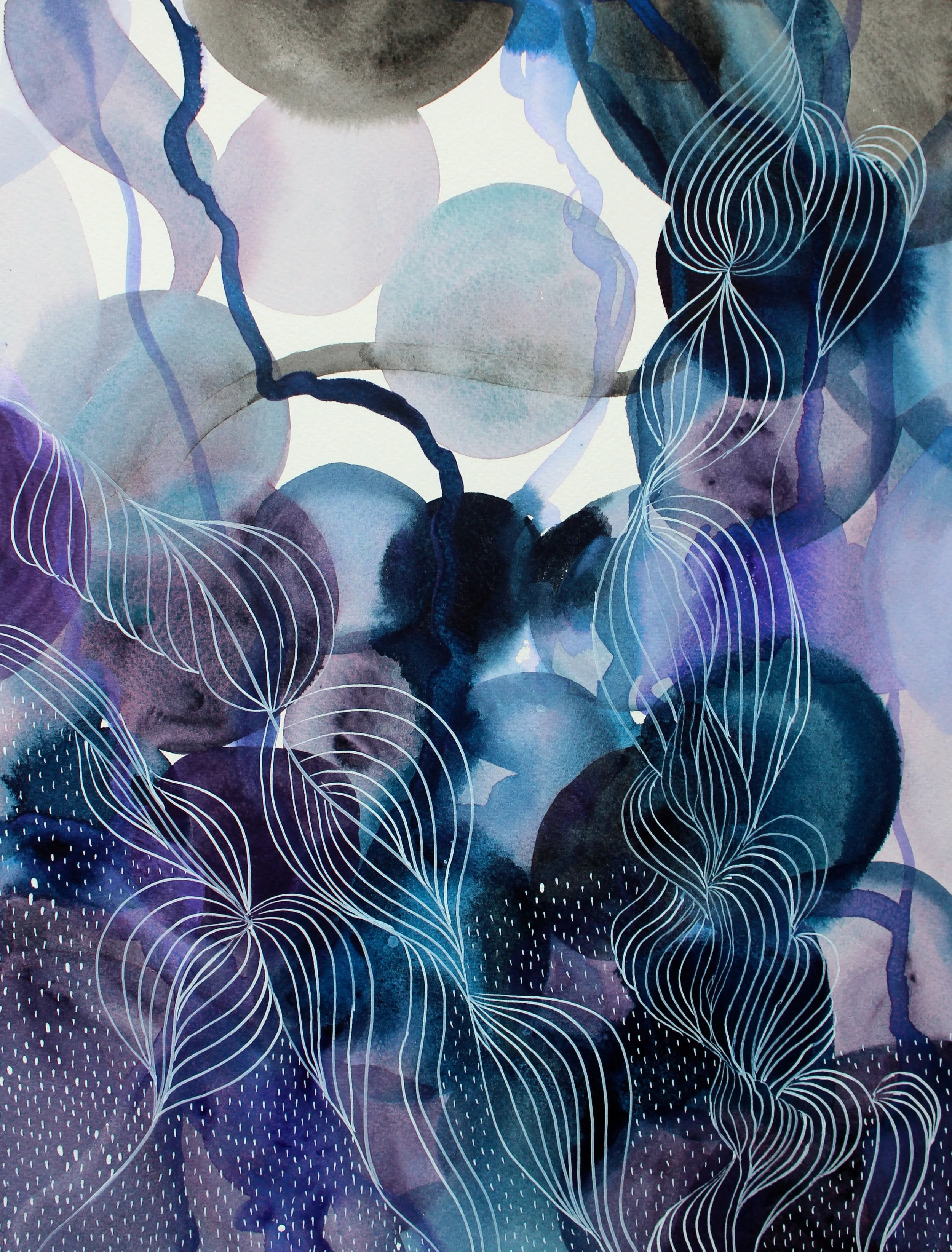
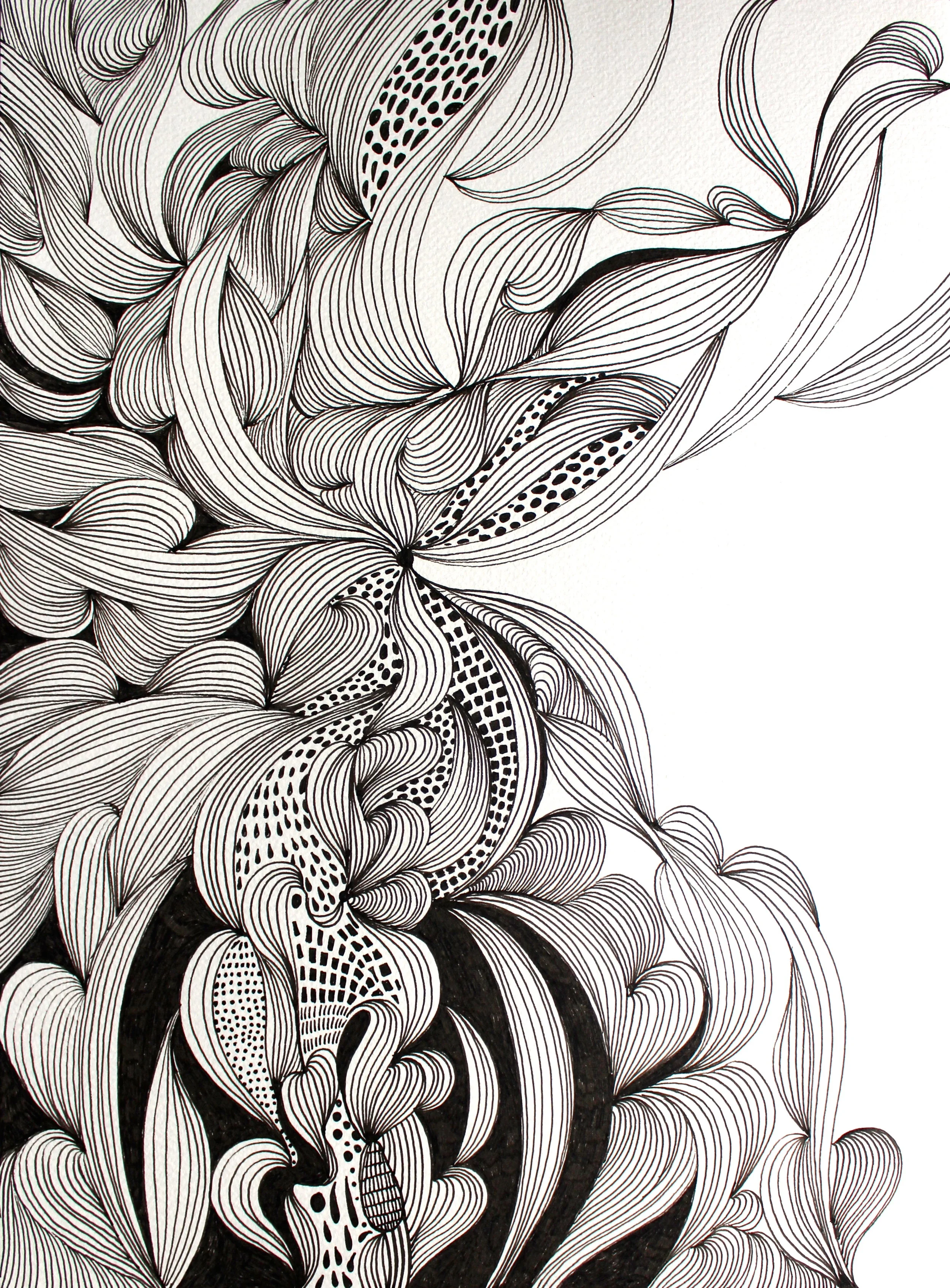
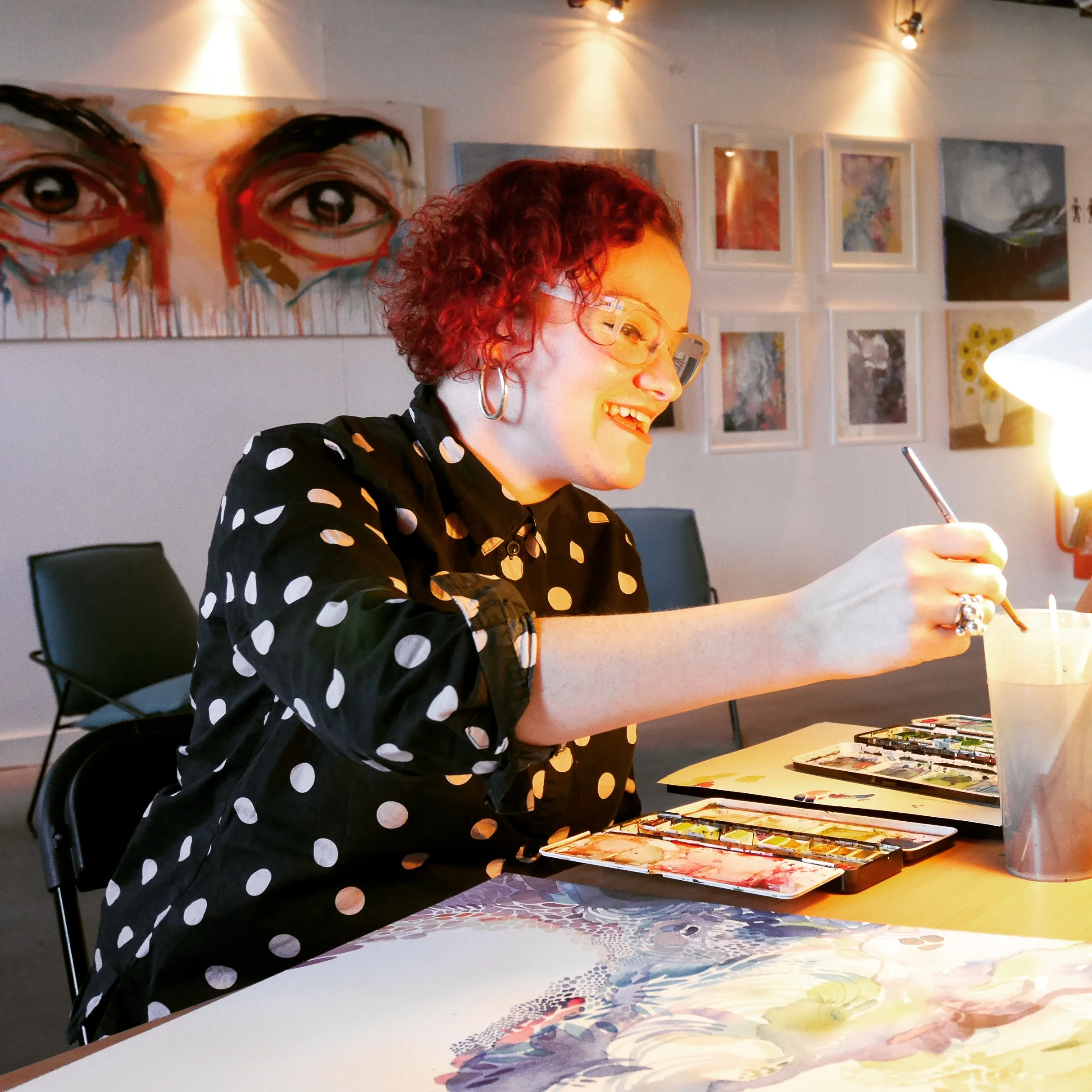
Artist in residence at a group artshow in Camden Market London circa 2015
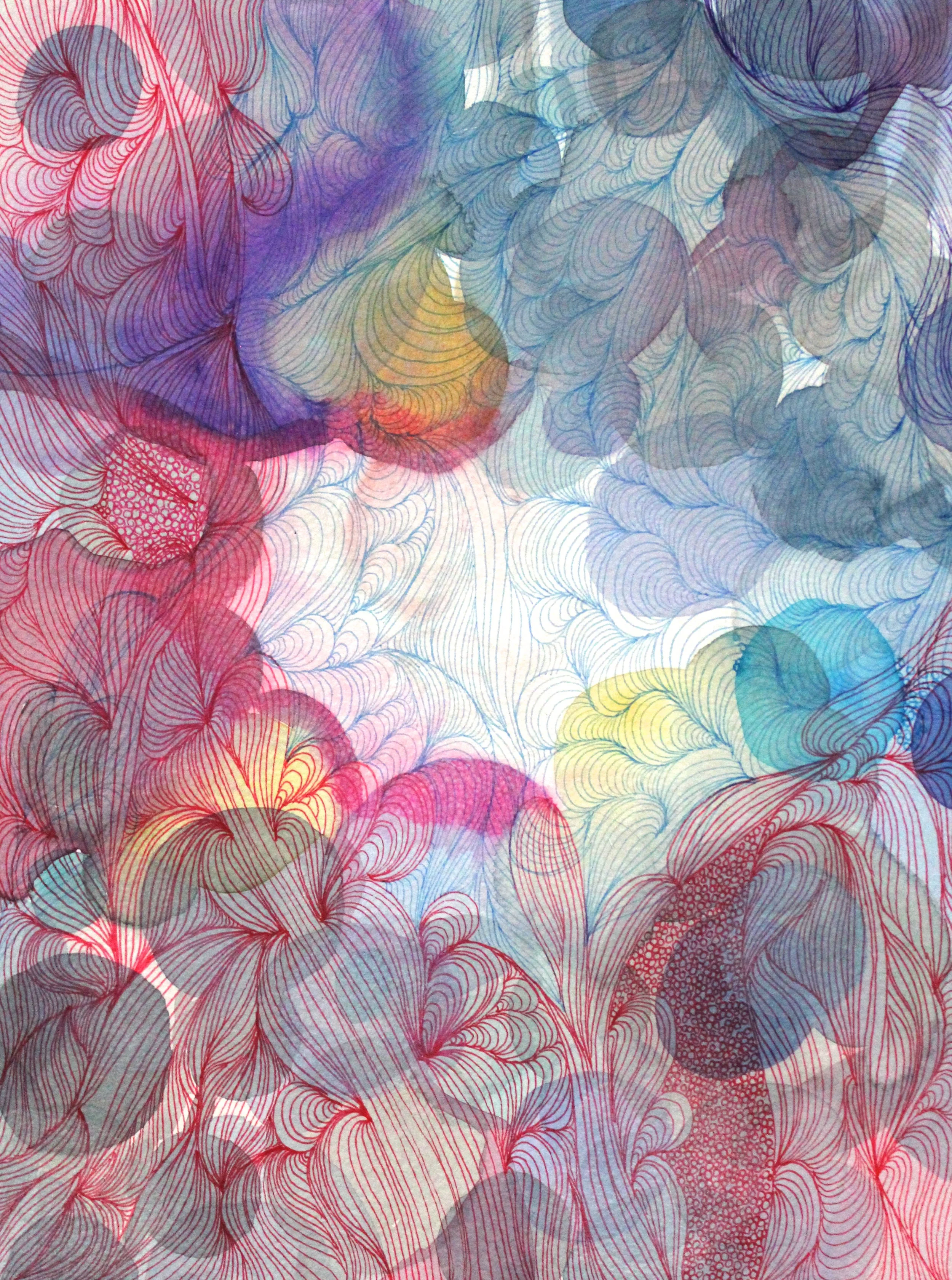
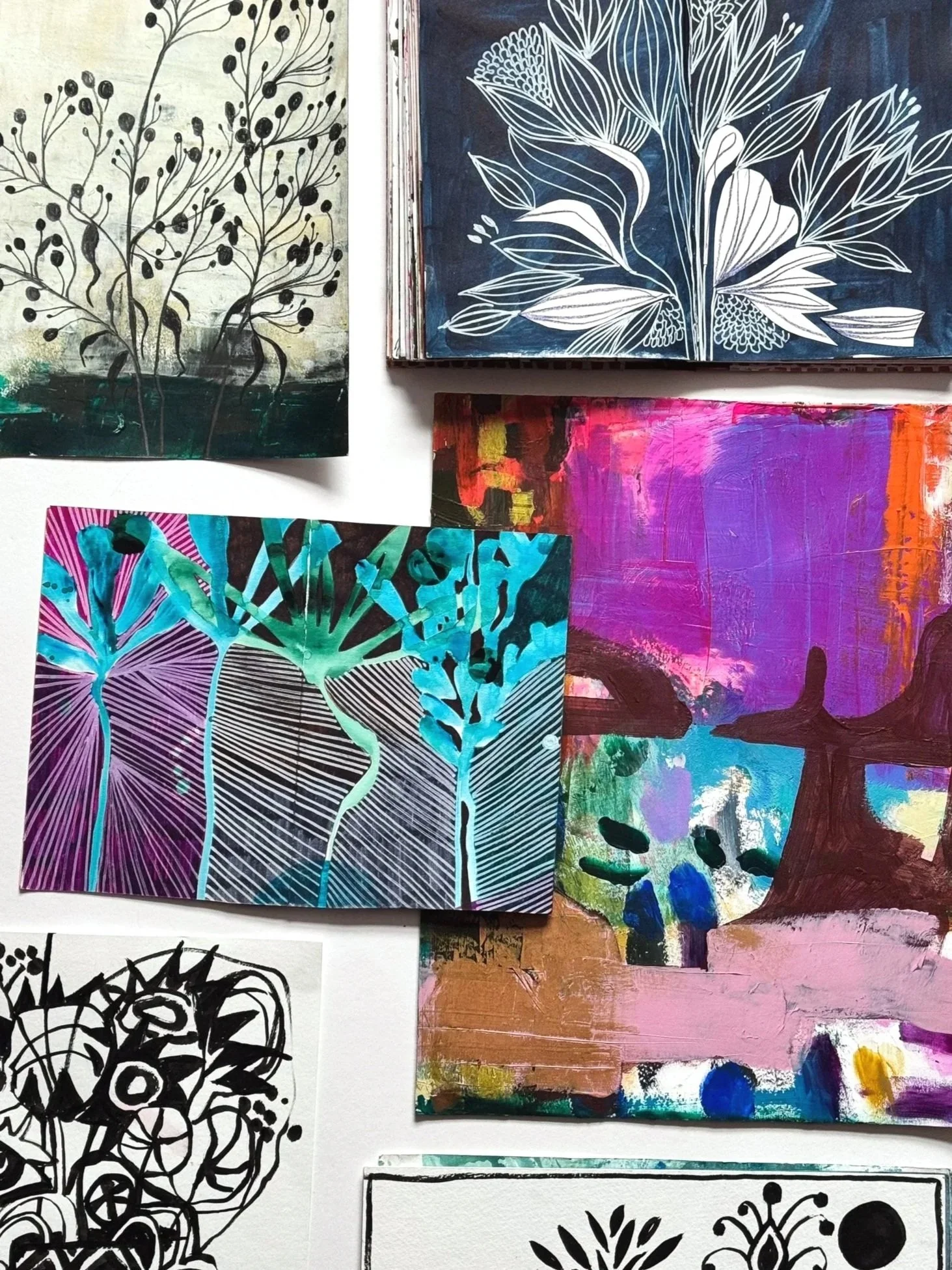
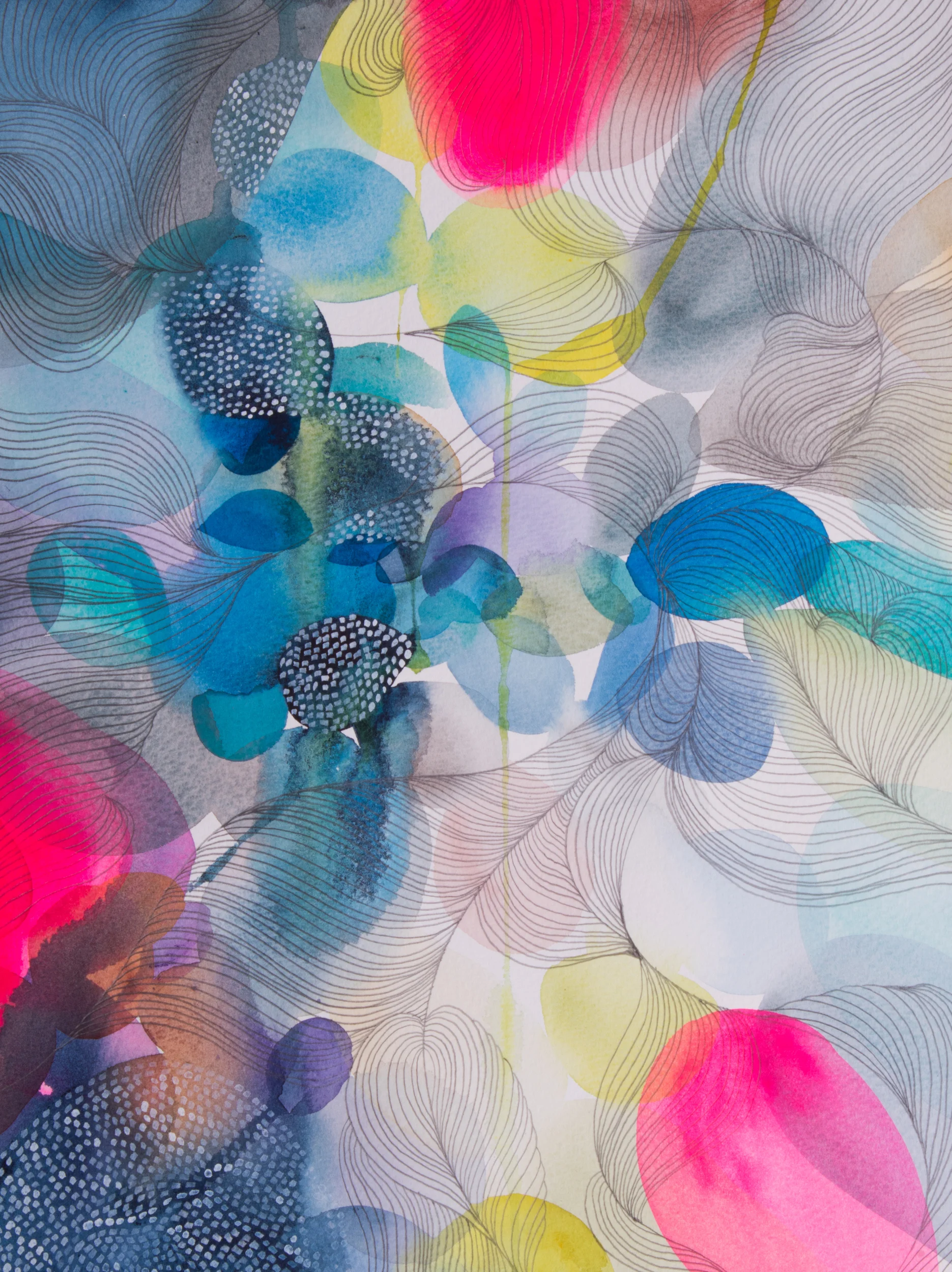
A selection of my early work
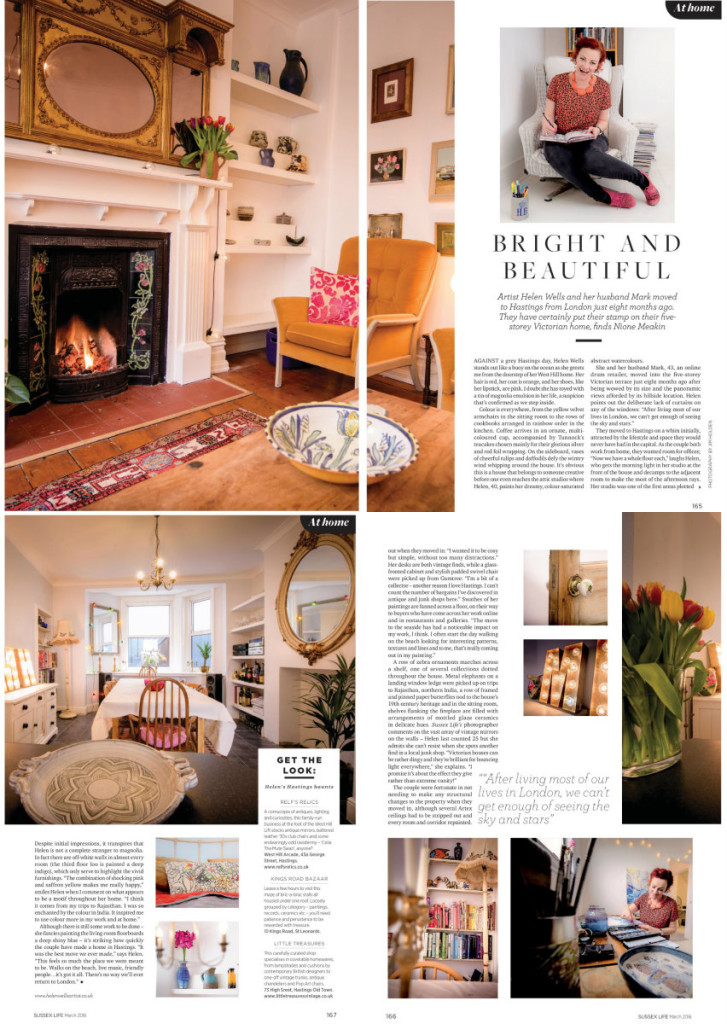
A feature on me and my home Sussex Life Magazine 2016
Taking a leap
In 2013 I started to try and turn art into my livelihood. I gave up my full time job. I had a few months savings to get me going and the charity where I had worked for a decade wanted me to do a little consultancy work for them a few days a month, which was a great help.
I gave myself six months to see what I could make happen.
I had no idea how to make money via art or how to be an artist. I just started spending more time creating as well as doing all sorts of things to try to build a profile. I started selling art online, entering competitions, and participating in group shows. I ventured onto social media.
I built myself a website, I started regularly documenting my creative life in a blog. (And here I am 13 years later, still writing a version of it.)
Gradually, after much trial and error, some lovely things happened, winning a Winsor & Newton competition led to showing at The Saatchi Gallery. Eight paintings were displayed in a Gordon Ramsay restaurant.
I tried lots of things out, to see what worked for me. Lots of things were not that successful but I built confidence and knowledge through doing, I gained new skills, and learned who I was as an artist and what interested me. I managed to transition art from being my hobby to a part-time job and then eventually to a full-time career. It wasn’t quick. After my savings ran out I took on a part time job, which wasn’t art related, to try and ease the transition. I kept that job for years.
A career built on trial and error
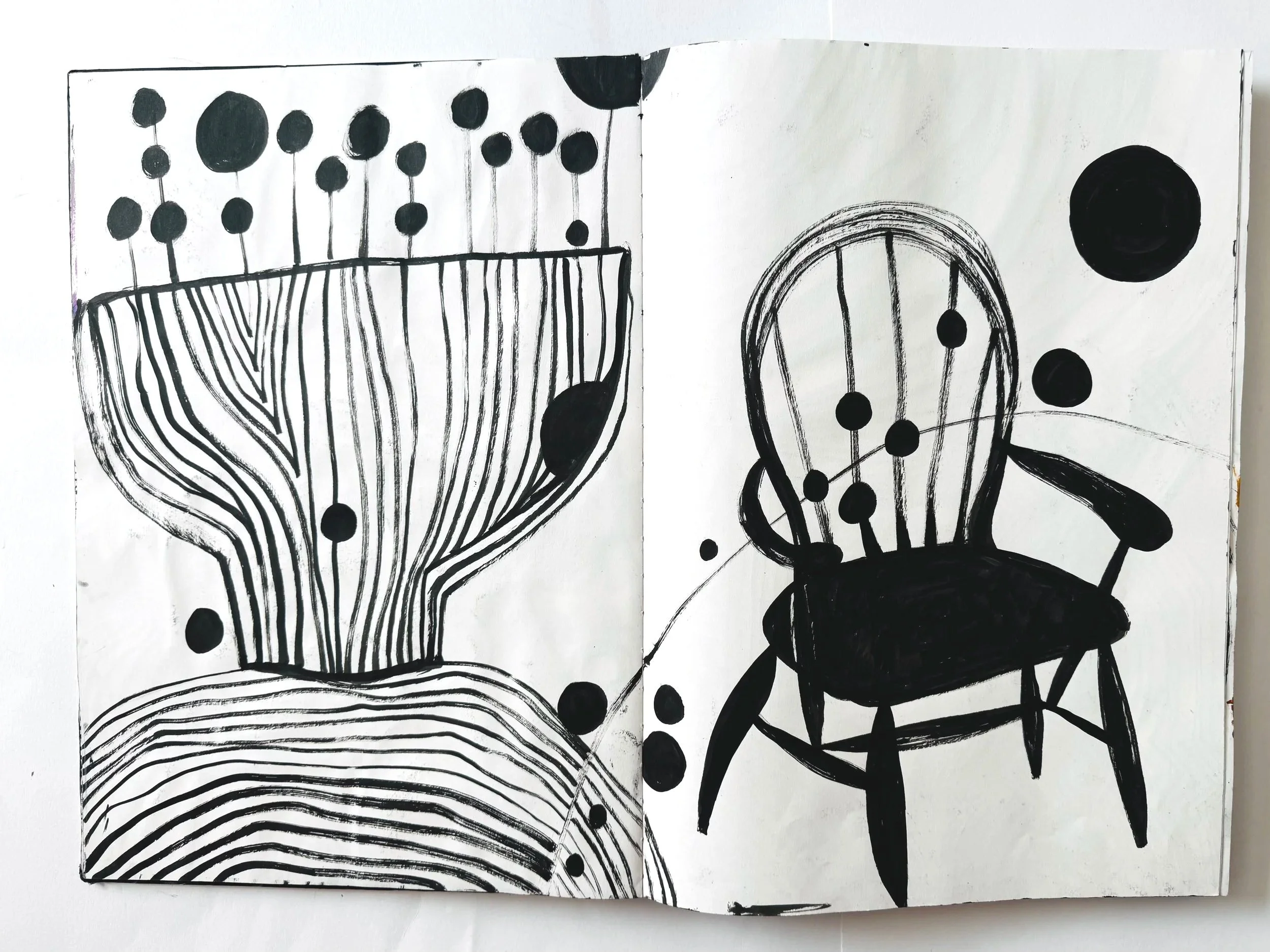
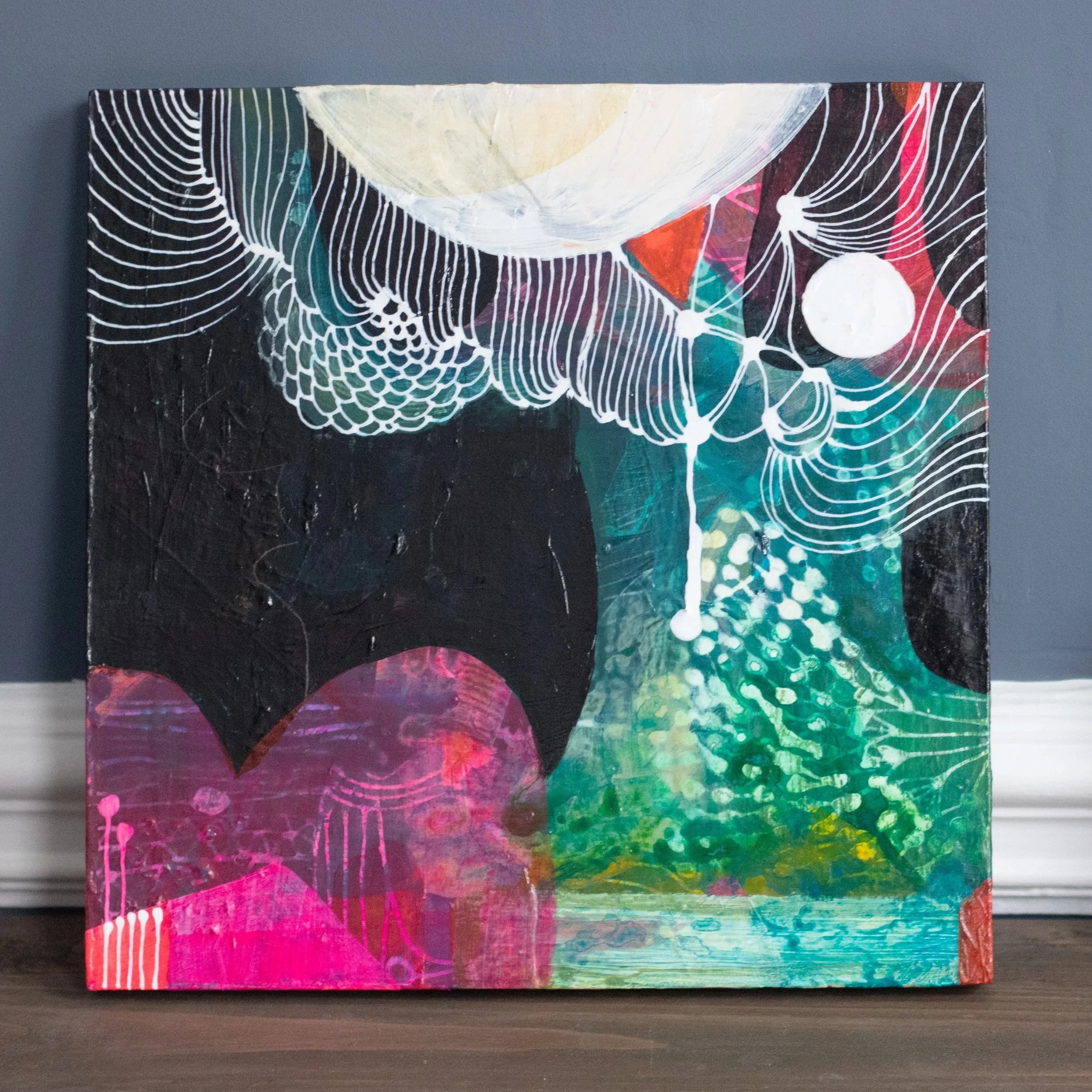
I’ve now pieced together an art career through trying things and seeing what works and what I enjoy. I love the creative life I have built. I license my work for wall art, branding and products. My art work was recently used in every cabin of a newly built cruise ship. I sell my original paintings and complete commissions for original art projects, including hospital projects. I have written a book about mixed-media sketchbooks and I teach online classes. I just had an exhibition of my sketchbooks at Endicott College in the United States.
No route map
I frequently get asked by folk how they should go about making a career as an artist. It’s a valid question. I used to work in an office, and now I work for myself full time as an artist. So you might think I could answer this question, but I can’t.
There is no straightforward roadmap or clear path. There is no single way to make a living as an artist; each journey is unique.
I still feel like I’m making it all up as I go along, trying things out, and seeing what works, what feels good to me, what connects with people, and what sells or doesn’t.
It is not always an easy career to navigate, I think the advent of AI will probably make it harder still.
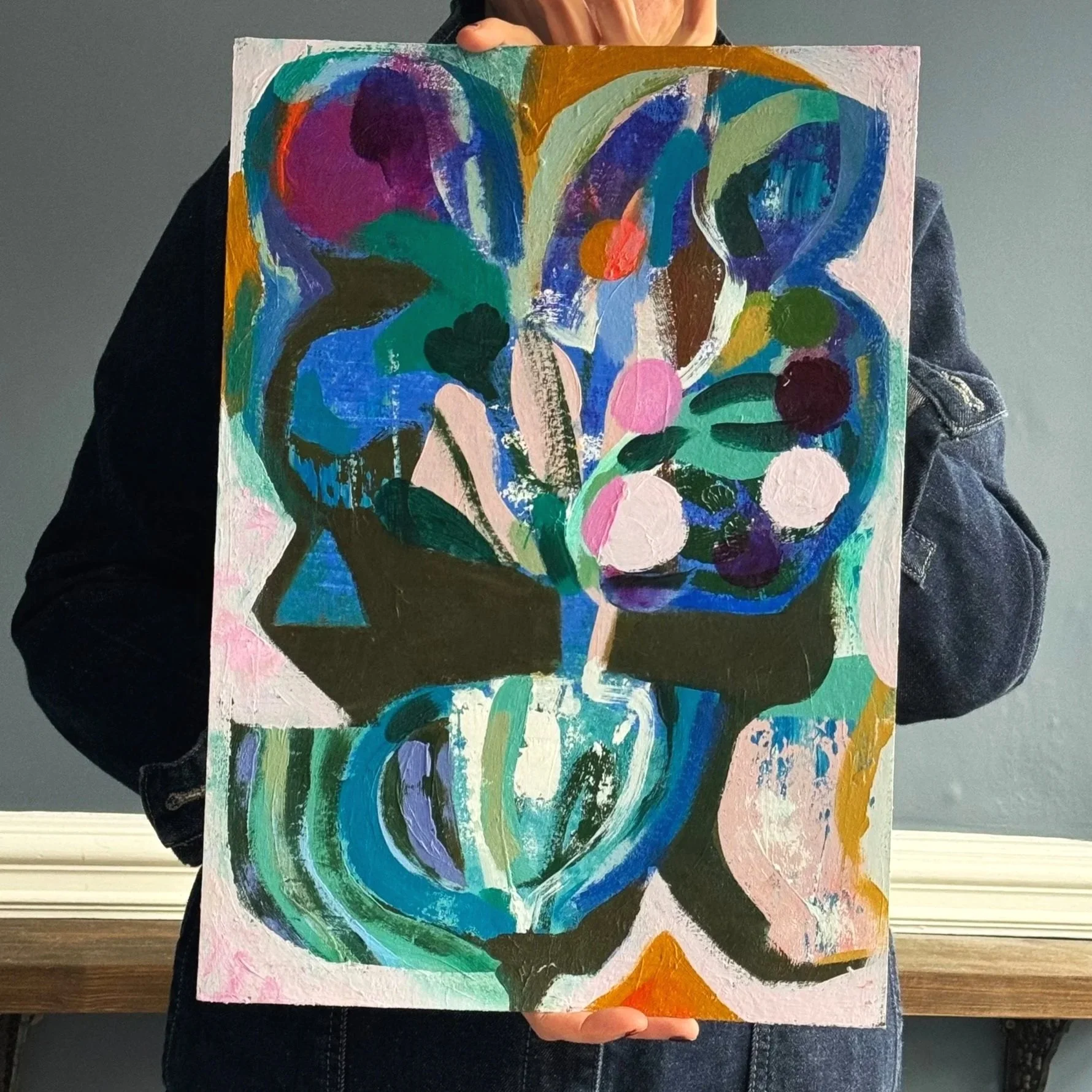
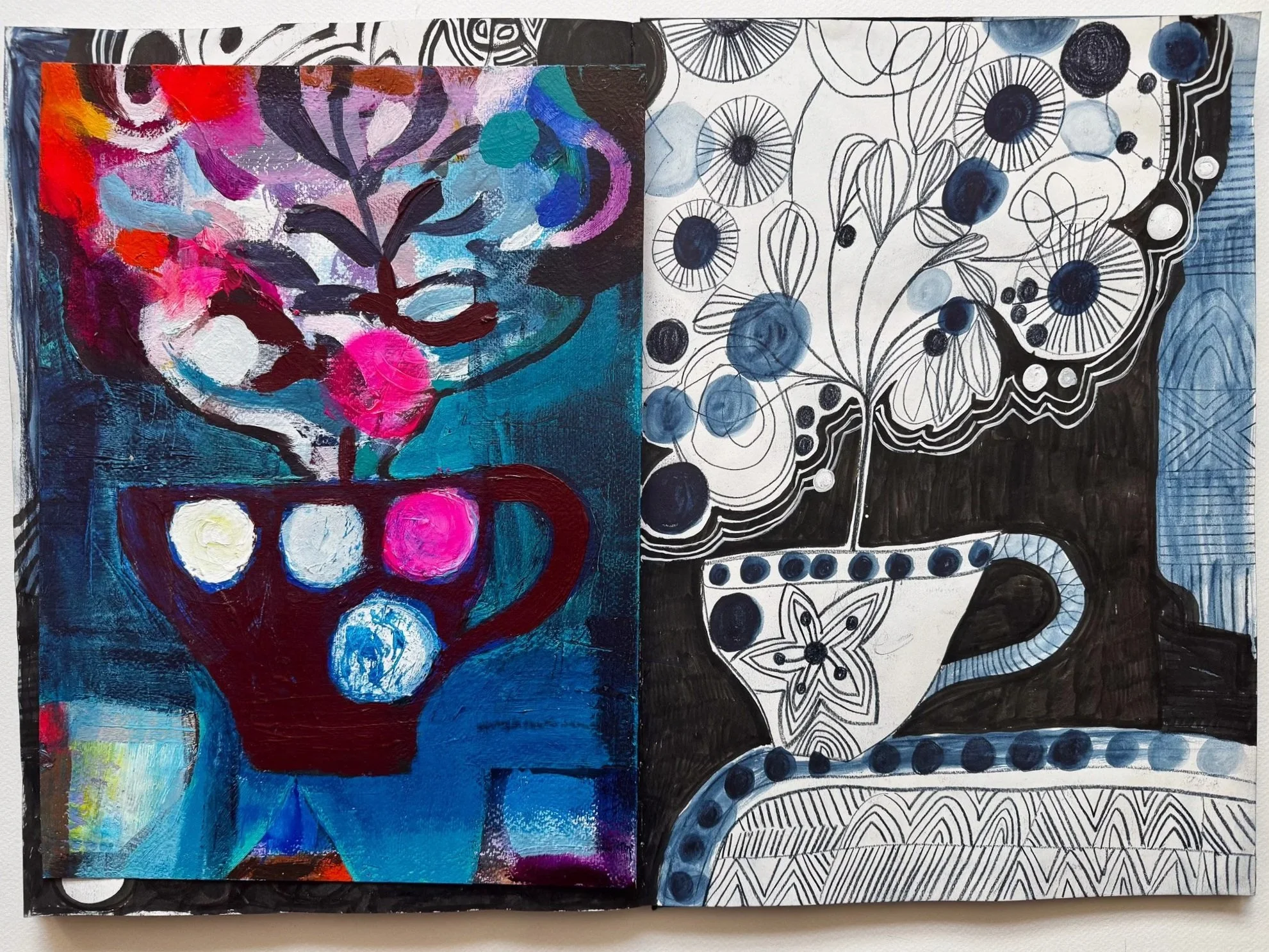

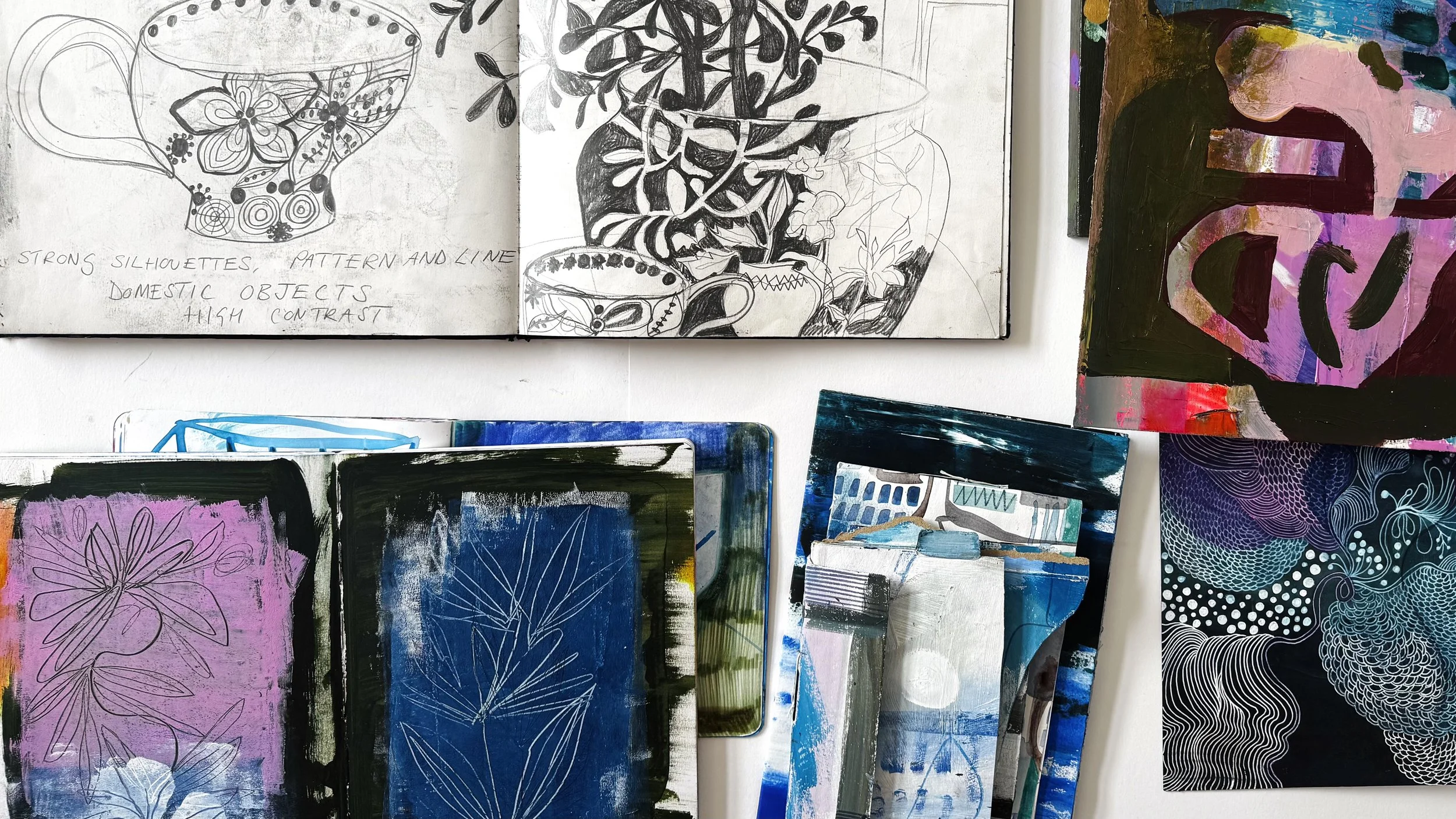
Art as a career demands improvisation and optimism
It seems to me that working as an artist is just like the art-making process itself, it requires lots of experimentation, much trial and error, lots of practice and the need for skill development. Turning up, trying things, trying some more things and hoping that it will all turn out beautifully in the end.
For me, working as an artist has demanded a high level of improvisation and a large dose of optimism. The same attitude I try to bring to the process of creating art.
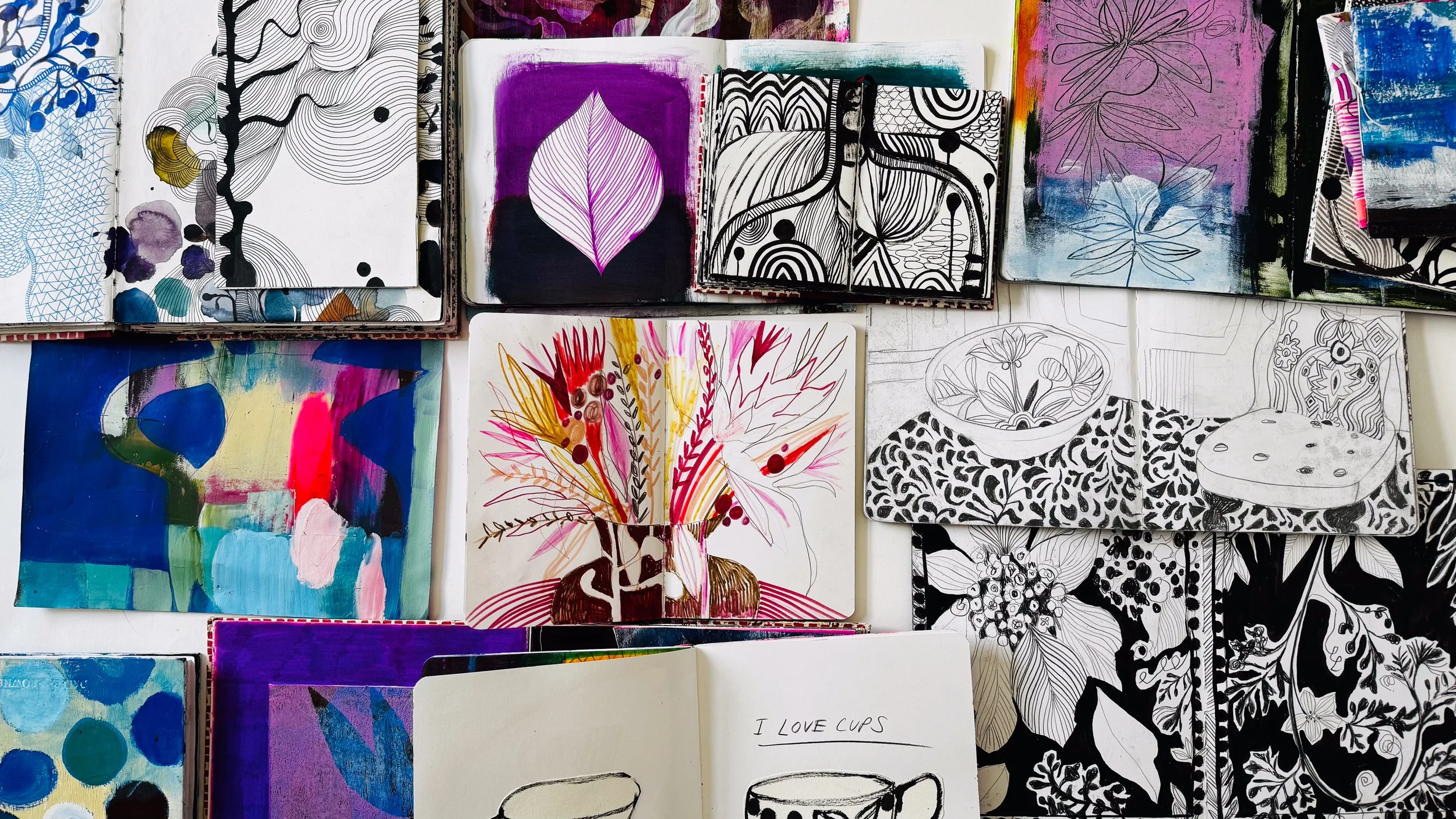
Delightful and demanding
The fact that art-making is my job is wonderful, yet it is also challenging. It is both the most delightful job and the most demanding job I’ve had. When I decided I wanted to become an artist, I didn’t really understand what would be involved; I’d just naively thought it meant painting. Making art is just a part of what I do, not all of what I do, which seems obvious, but it wasn’t that obvious to me at all when I started.
The business of it
Creativity is central to being an artist ofcourse, but developing business skills is equally vital; pricing, promotion, financial management, contracts, delivery, copyright, marketing, blogging, social media, websites, and email lists. I now do things I hadn't imagined, like appearing on camera or editing videos.
There’s always more to learn, about art making and about being an artist. I've accepted that a high level of uncertainty is constant. Some times it feels like unstable ground. Like any self employed person, there is no sick pay, no paid annual leave, no employer pension contribution, no salary that appears in your bank at the end of the month.
Last year I had to pursue a copyright infringement court case when more than 20 companies stole my images and used them on products without consent.
There is always a new challenge or an obstacle to work around, a new pivot to navigate, which on good days can feel like a brilliantly inspiring adventure and on bad days can feel exhausting.
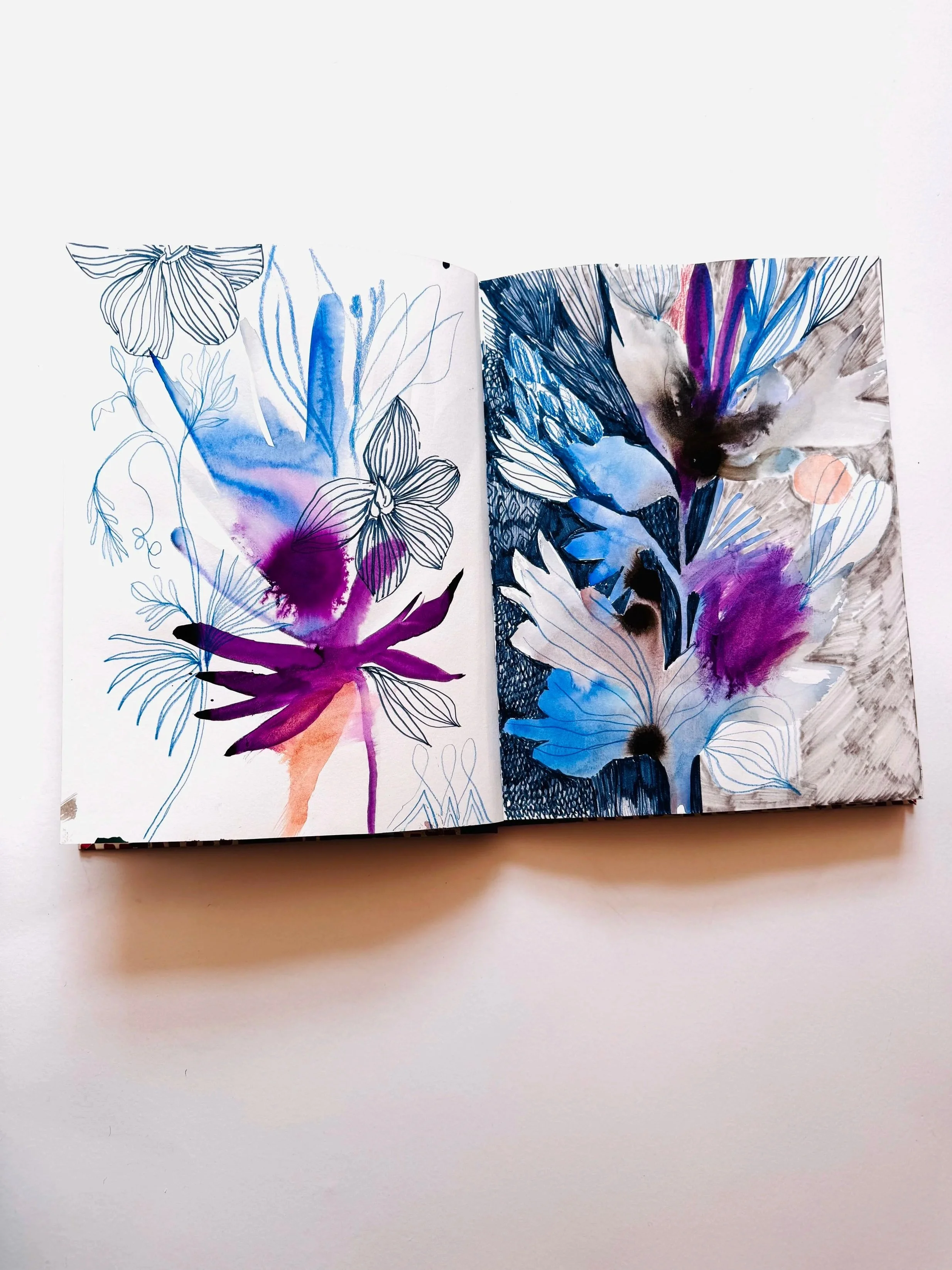
Belief and conviction
Cultivating a conviction in your own work is an important aspect; it is hard to build a sustainable career without it. Ofcourse there will be moments of self doubt and insecurity, but ultimately to build a career from art you have to have a certain amount of belief in the worth of your own creations, how can you expect others to, if you don’t?
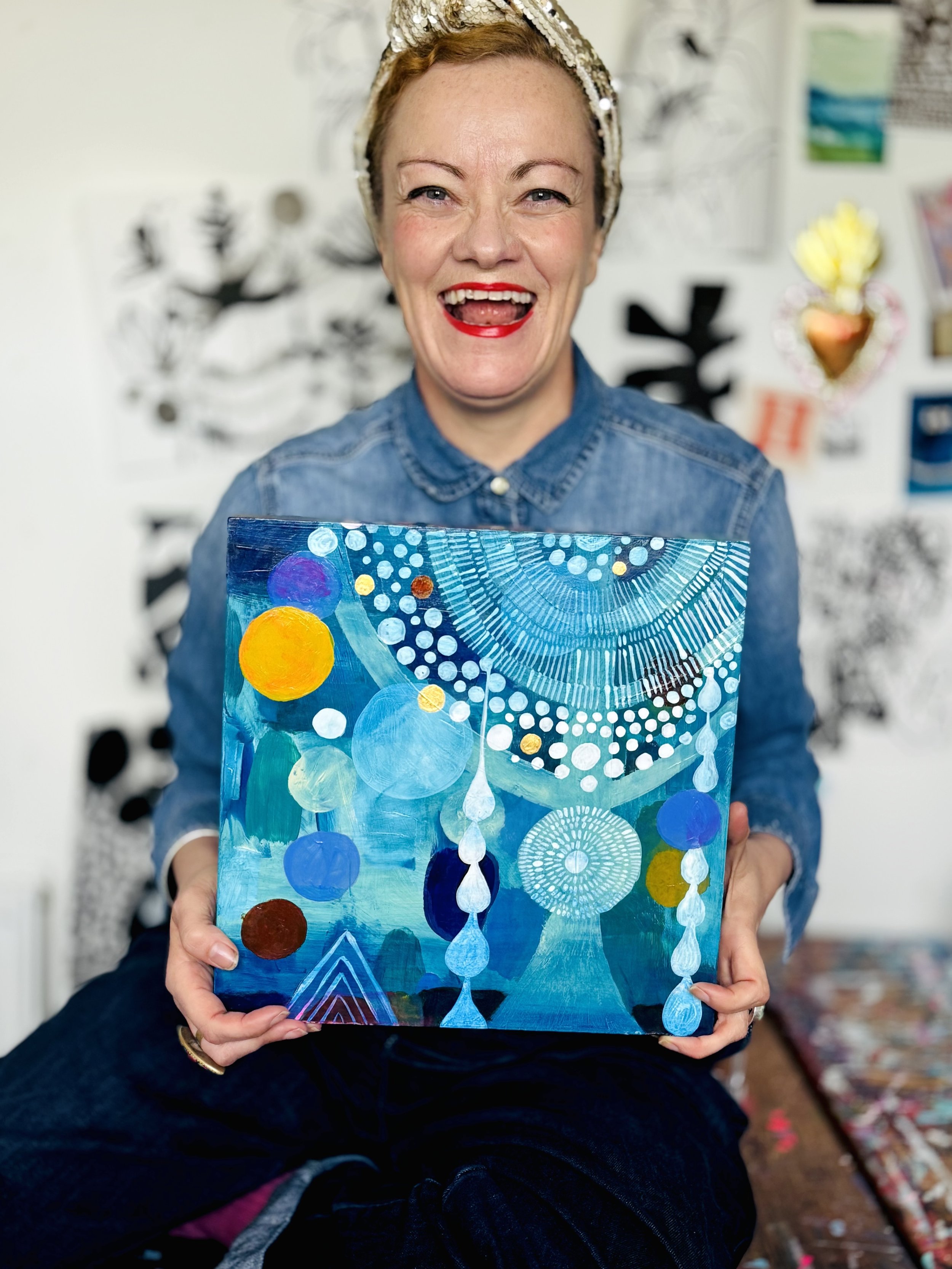
I have found that being an artist has involved continually putting myself and my art ‘out there’ and that is sometimes extremely uncomfortable, I can naturally be a little reticent. I have had to learn to be more forthcoming.
I only started using social media as a way to share my art and in the early days I used to be really stung by people’s negative comments or reactions, about me or about my art, rejections and bad comments used to hurt and made me doubt myself. But I have learned that you can’t really let the good or the bad opinions of others affect you too much.
Failure, in one way or another, is an inevitable part of an artist's life. Paintings don’t work, ideas don’t land, things you think are brilliant don’t sell, rejection from juried shows is common. Failure is perhaps not the right word for it, though, because if something has been learned through doing it, was it really a failure?
Perseverance has built my art career as much as creativity. Tenacity and discipline seem to me as important as talent. You need to find your own way of doing things and let your own wisdom continually guide both the creations and the career.
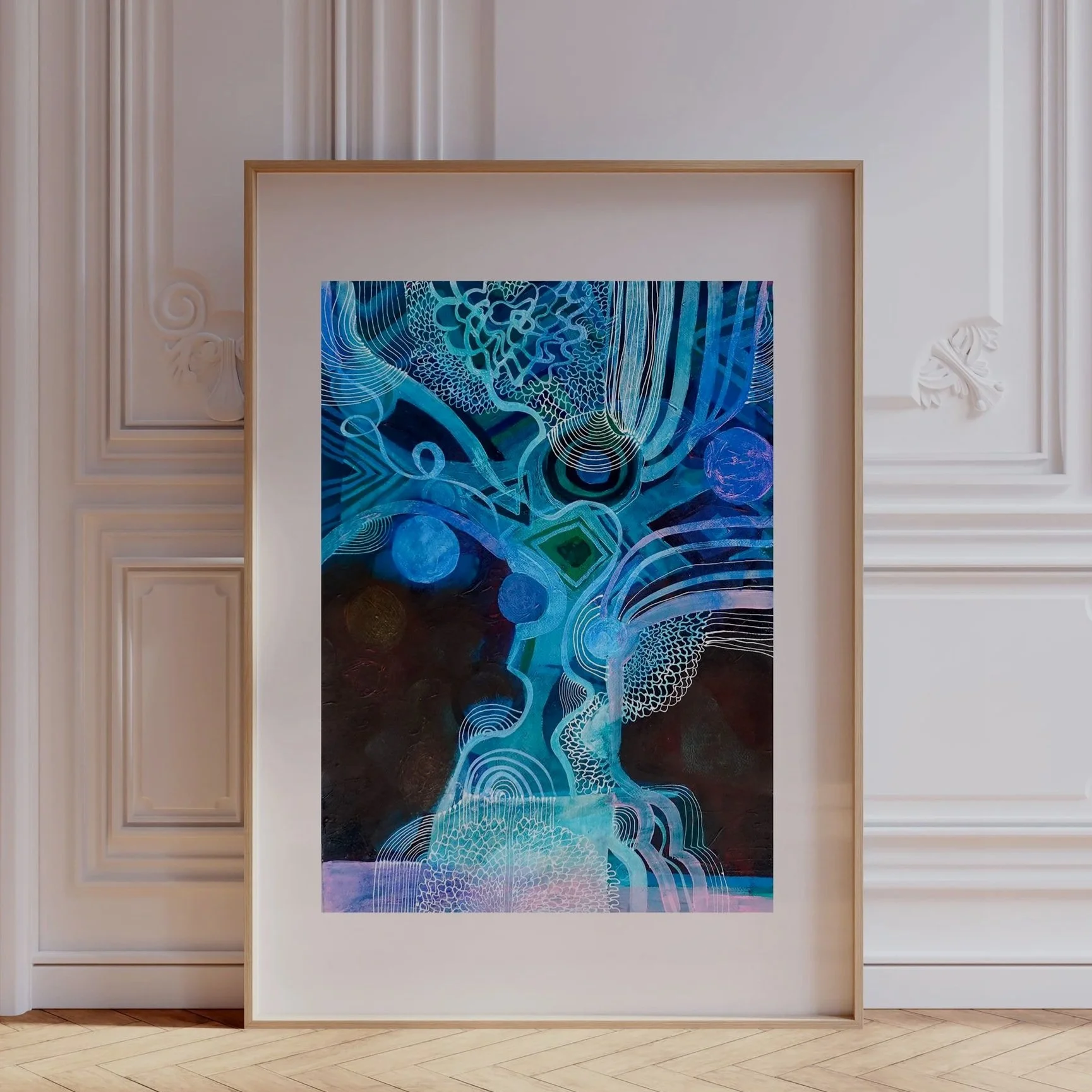
Piecing an income together
At first, I thought being an artist meant just selling paintings. I soon realised relying only on original painting sales for my sole livlihood would be incredibly hard. Some people do this very well, but this was a precarious strategy for me, some months I sold a lot, some months nothing. To pay my mortgage I’d either need to produce loads more paintings every month or price them much higher than I wanted to, the maths of this didn’t seem to add up for me.
When I first started working as an artist and actually for many years after, I found a part-time job doing something else, or I took on freelance projects to help ease cash flow and ease the pressure of living off my art.
I eventually worked out what was working art wise for me and so gave up the part-time jobs. Art has became my sole source of income, patch worked together from licensing, commercial commissions, painting sales, special one off projects like my book or commissions or workshops, and teaching online.
Every artist I know has a different way of piecing together an income. Some work with a gallery (although galleries usually ask for a 50% commission on all art sales) or sell via art fairs; some sell prints or merchandise; some do collaborations or partnerships; some run retreats or in-person classes; some offer paid subscriptions, memberships, or paid newsletters, some receive bursaries or grants; some work on public art projects, or any combination of these.
Each artist has to find their own sweet spot, balancing what they enjoy, how they want their working life to look, with what it takes to make enough money for them to live.
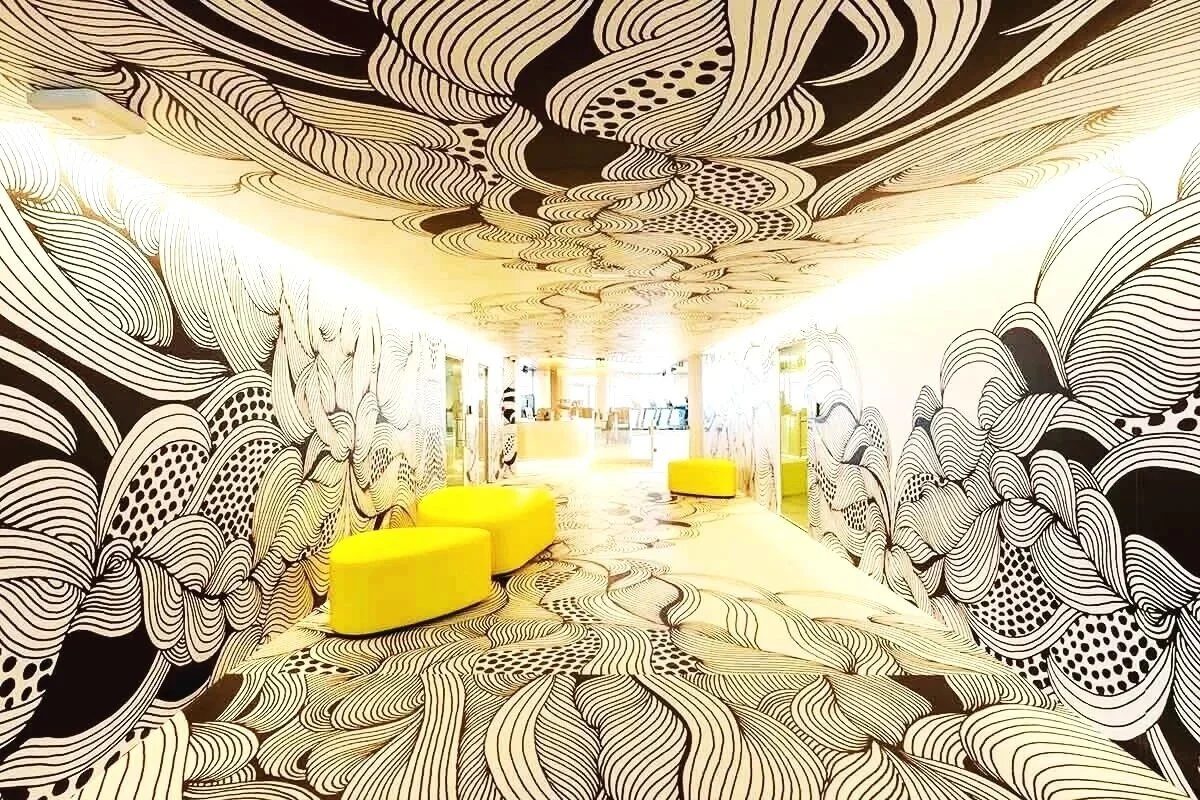
My art in the interior of a Gym at Bologna Airport
Define your own terms
Ultimately, each artist must define their own success.
Being an artist is challenging and yet hugely enriching. There is no single way to find success as an artist; instead, it is about building your own path, staying true to yourself, embracing an experimental and adaptive mindset and finding meaning in the endeavour itself.
Success is not really a destination you arrive at. For me, it is found in the daily pursuit of a life lived with purpose, expression and meaning.
For you, it may be something completely different.
We each get to define success for ourselves, and we also get to define what it means to be an artist.